Lanna Folklife Museum
Good to Know实用信息
The Story故事
The Lanna Folklife Museum was created to bring together the many layers of Lanna culture—not only objects from the past, but also the beliefs, rituals, arts and everyday traditions that shaped life in northern Thailand.
Its permanent exhibitions introduce visitors to Buddhist art, ritual objects, architecture, mural painting, sculpture, textiles, music, traditional lifestyles and craftsmanship.
Rather than telling only the story of kings and major events, the museum focuses on how ordinary people expressed their beliefs and identity through the things they made, wore and used.
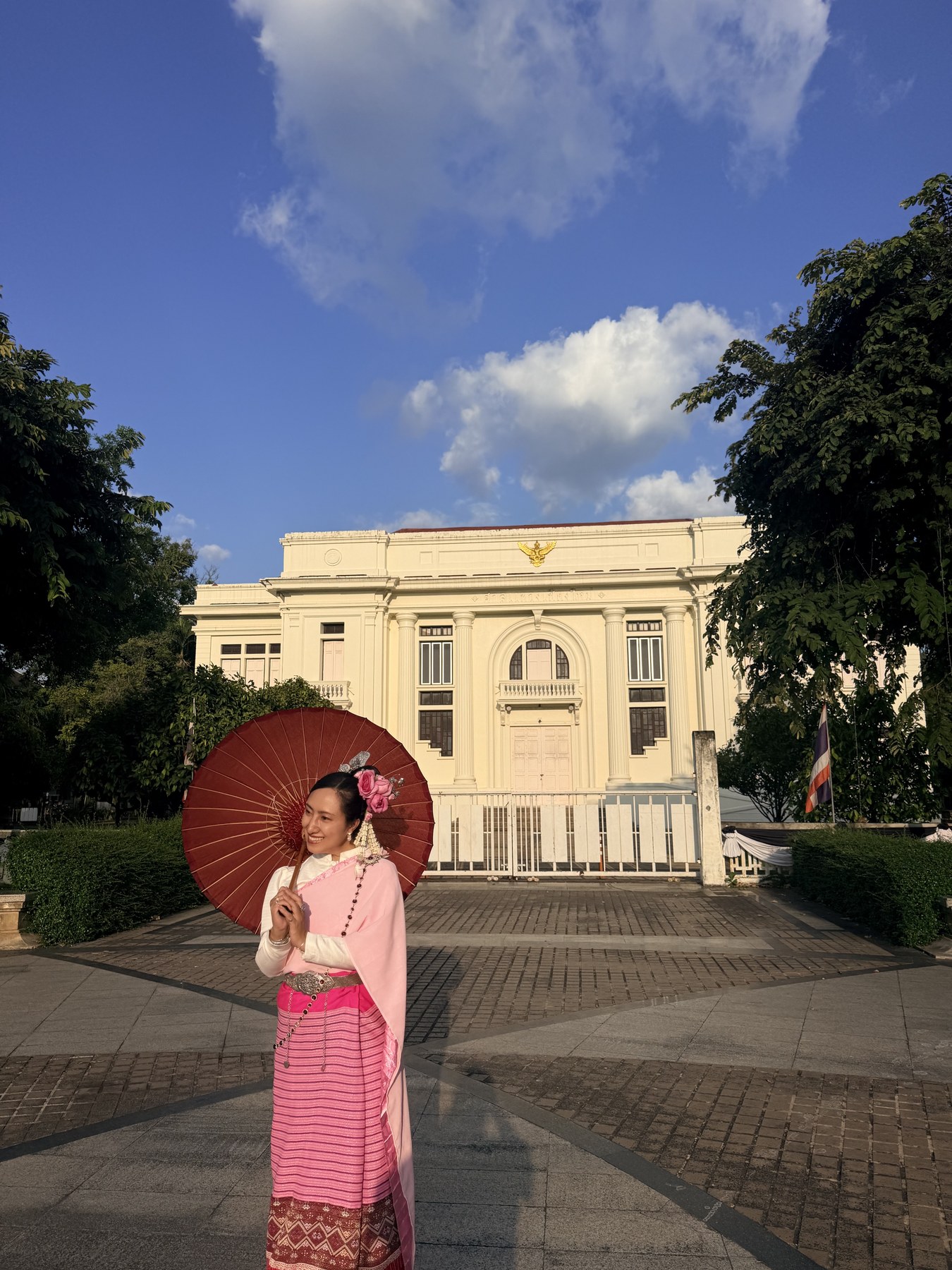
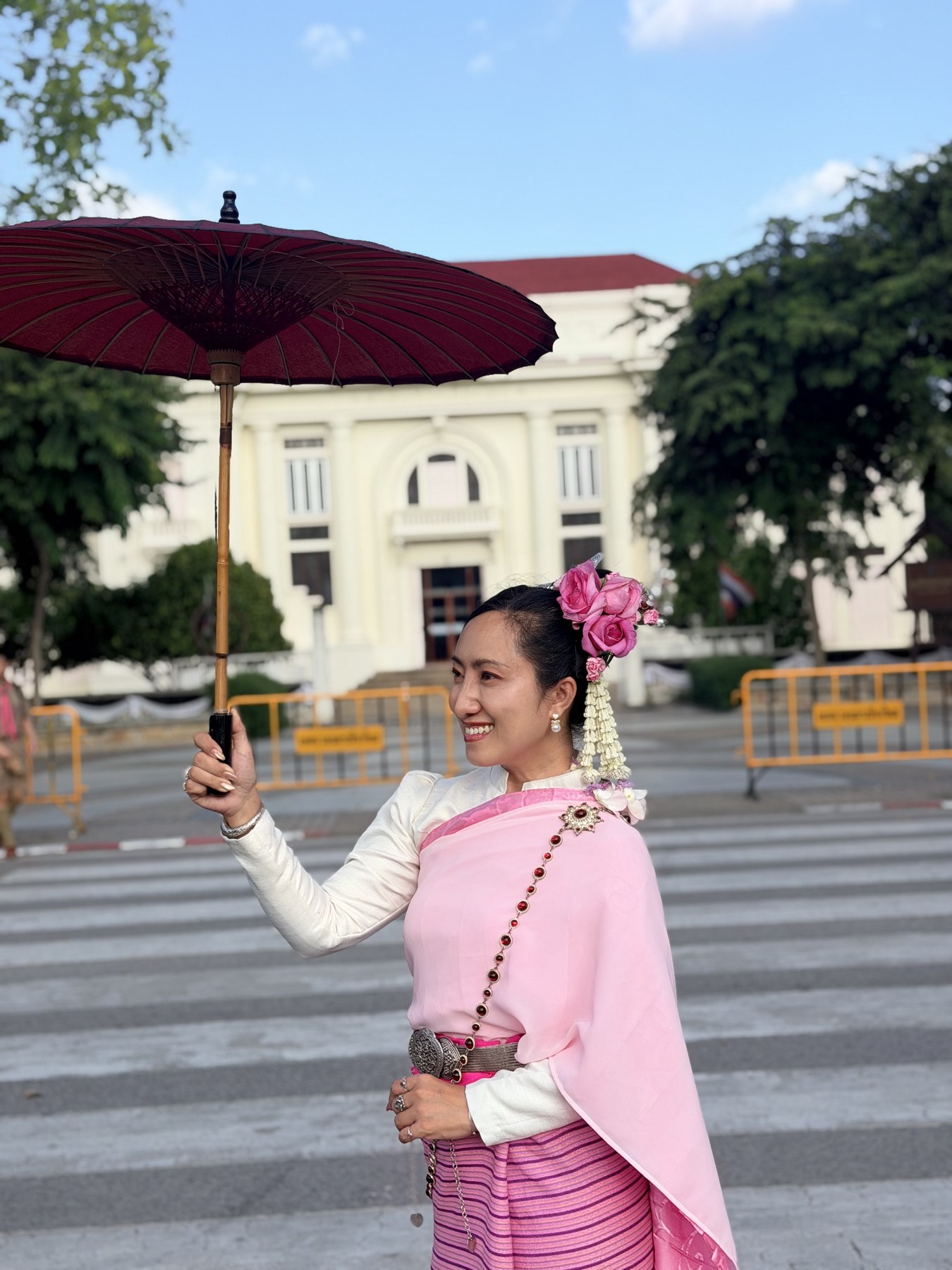
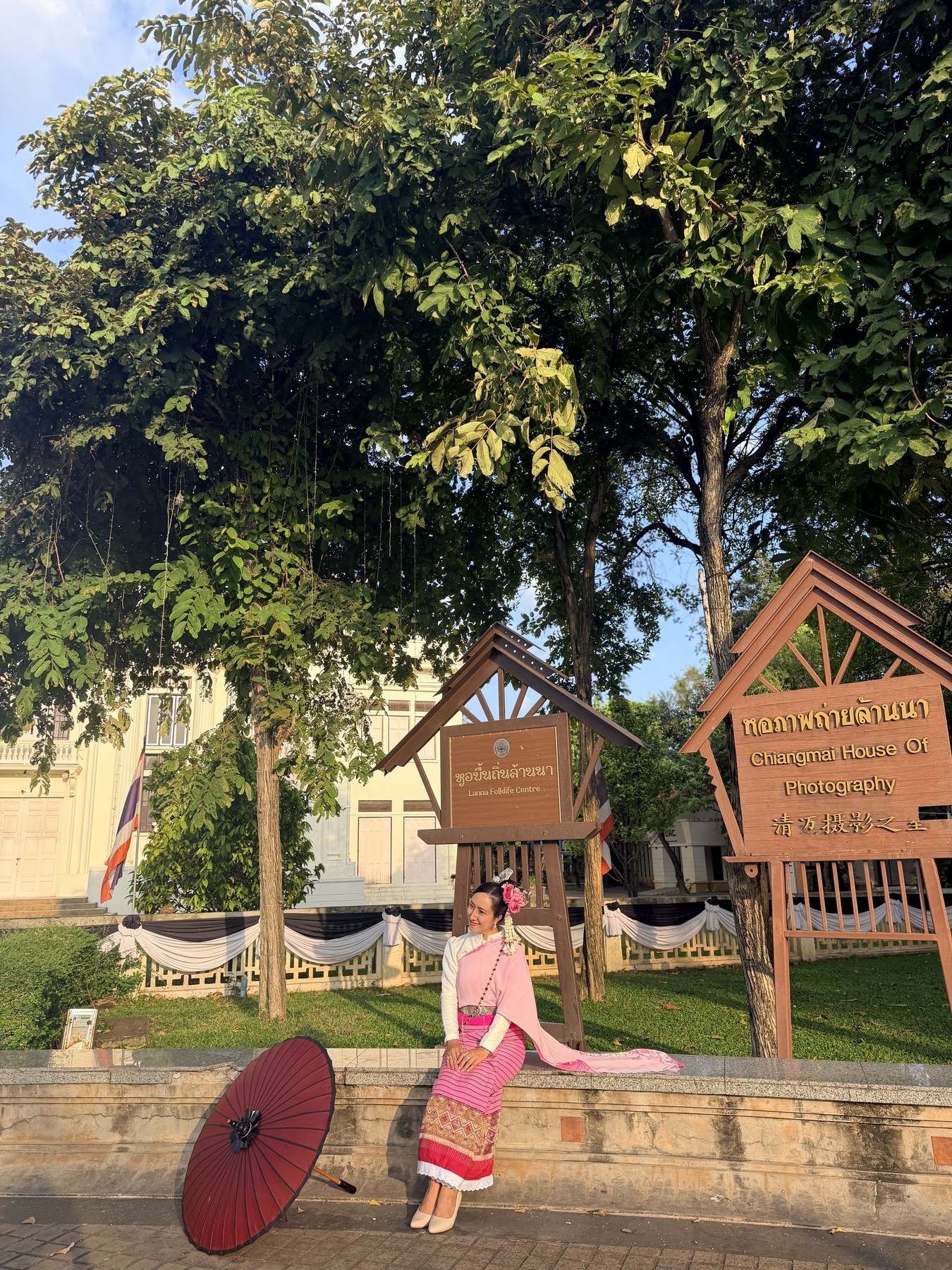
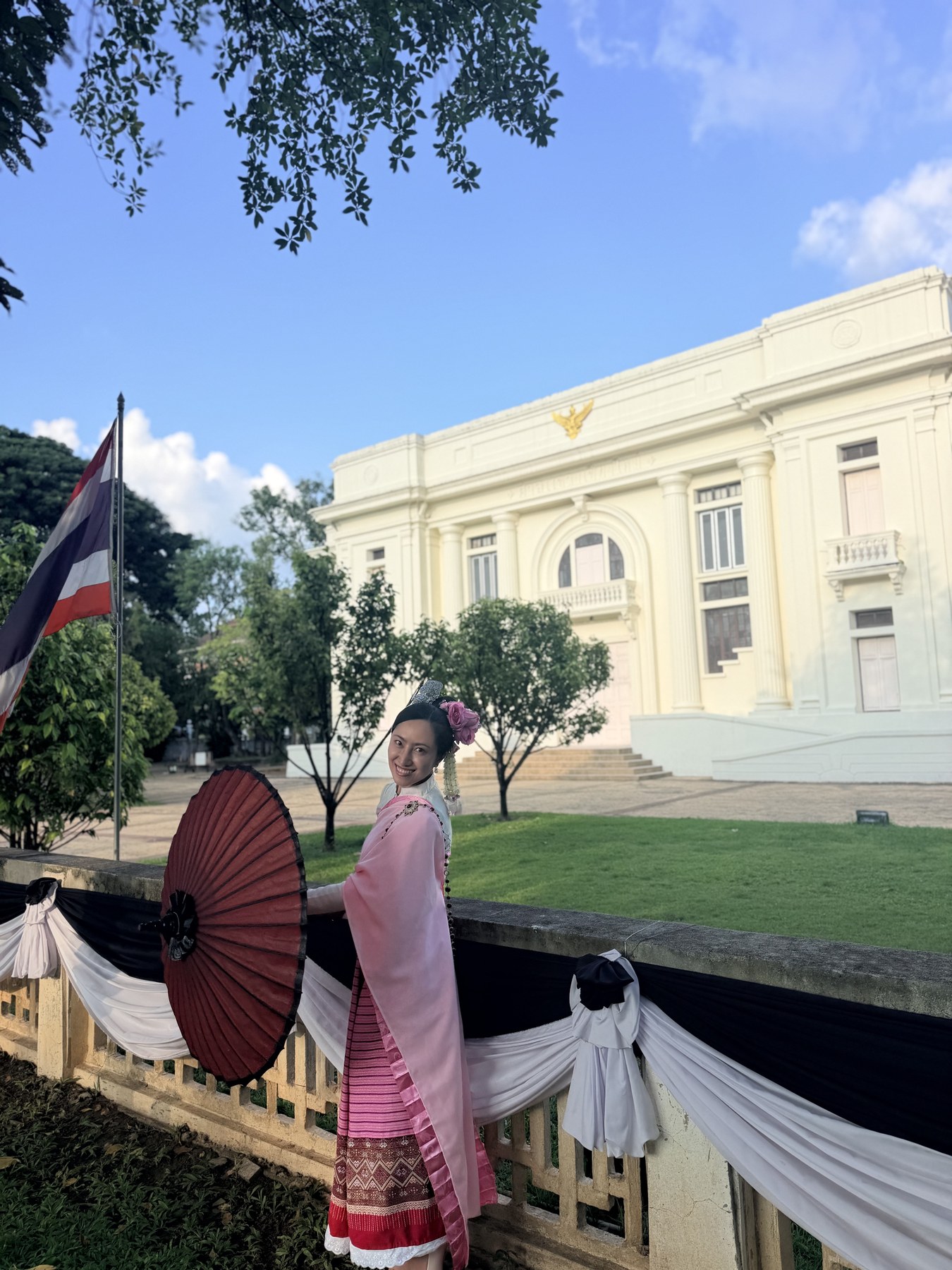
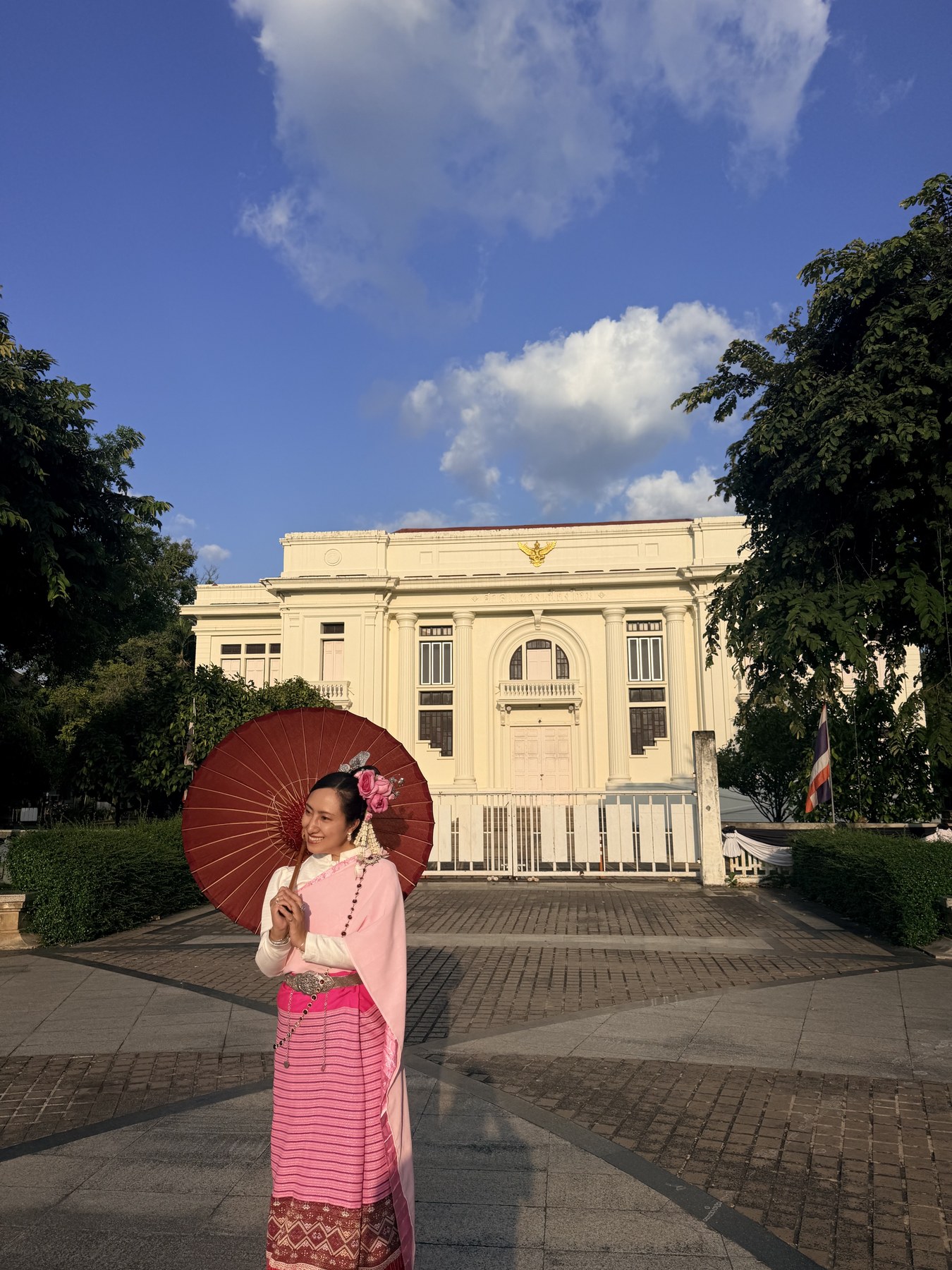
The building has a history of its own. It was formerly the Chiang Mai District Court, built after the political changes of 1932. The historic courthouse was later restored and adapted into the Lanna Folklife Museum, which officially opened in 2013.
兰纳民俗博物馆集中展示了丰富的兰纳文化。这里不仅收藏过去的器物,也通过信仰、宗教仪式、艺术与日常生活,让人认识泰国北部居民如何形成自己的文化与身份。
常设展览涵盖佛教艺术、宗教仪式用品、建筑、壁画、雕塑、纺织、音乐、传统生活方式与地方手工艺。
与只讲述君王和重大历史事件的博物馆不同,这里更能让人看到普通兰纳人的生活、信仰,以及他们如何通过衣着、器物与工艺表达自己的文化。
这座建筑本身也有一段历史。它过去曾是清迈地方法院,后来经过修复与重新利用,并于2013年正式作为兰纳民俗博物馆开放。
Experience This with AP Thai Studio与 AP Thai Studio 一起感受这里
Look beyond the beautiful objects.
Many pieces are connected to belief and ritual, not decoration alone. Lanna craftsmanship often carries religious meanings and ideas about auspiciousness.
Take time with the textiles.
Traditional Lanna weaving uses distinctive colours, structures and motifs that can reveal local identity and the skill of individual weaving communities.
Notice how Buddhism appears in everyday art.
Sculpture, ritual objects, architecture and decorative work show how Buddhist belief was woven into everyday Lanna culture rather than existing separately from daily life.
Remember that the museum building was once a courthouse.
The architecture around you belongs to another chapter of Chiang Mai’s history, so the building itself is part of the exhibition experience.
不要只欣赏器物的外表。
许多兰纳工艺品与信仰和宗教仪式有关,不只是装饰品,其中常包含吉祥寓意与宗教象征。
花一点时间看看兰纳织物。
传统纺织中的颜色、结构与图案,往往反映不同社区的地方特色与织工的手艺。
留意佛教如何进入日常艺术。
雕塑、宗教用品、建筑与装饰都能看到佛教信仰如何自然地融入兰纳人的生活。
别忘了这座建筑过去曾是法院。
因此除了馆内展品之外,建筑本身也是清迈历史的一部分。
How to Get There如何前往
Just a 3-minute walk from AP Thai Studio — about 200 metres. The museum sits directly opposite the Three Kings Monument, so it is very easy to combine both places in one short Old City walk.
从 AP Thai Studio 步行约 3 分钟,约 200 米。博物馆就在三王纪念碑对面,非常适合把两个地点安排在同一段古城散步路线中。
Open in Maps →打开地图 →
AP Thai Studio Spot ★
Kru Apple’s favorite angles跟着 Apple 老师,找到最好看的角度