Wiang Kaew Historical Park
The historical park is not yet fully open to visitors.
历史公园尚未全面对游客开放。
Good to Know实用信息
A Look at What’s Coming未来园区效果图
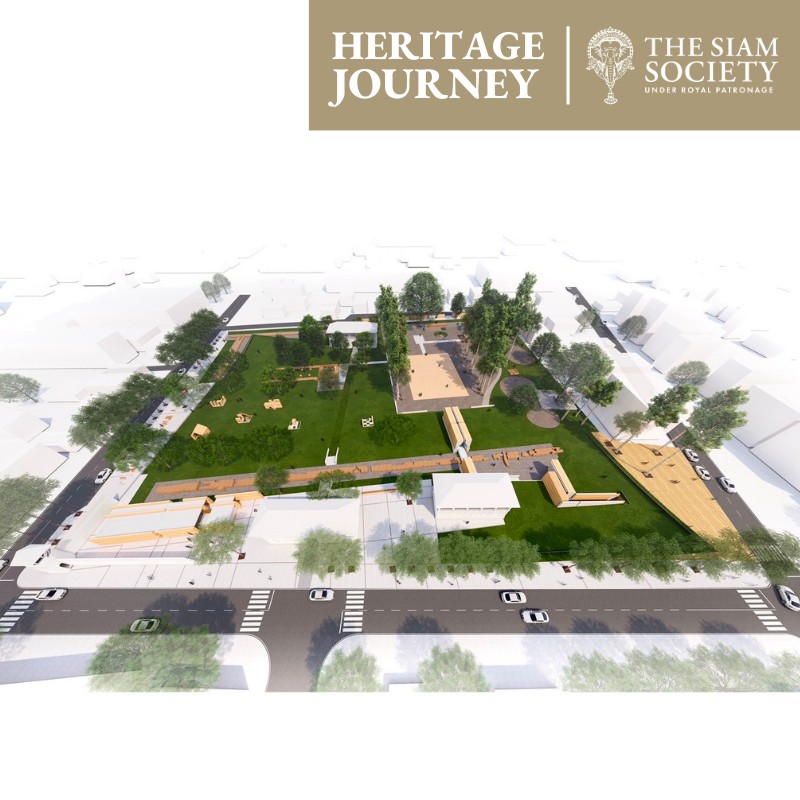
The park is still under development. These project visualizations show the planned direction of the site while construction and conservation work continue.
园区目前仍在建设中。以下为项目规划效果图,展示历史公园完成后的设计方向。
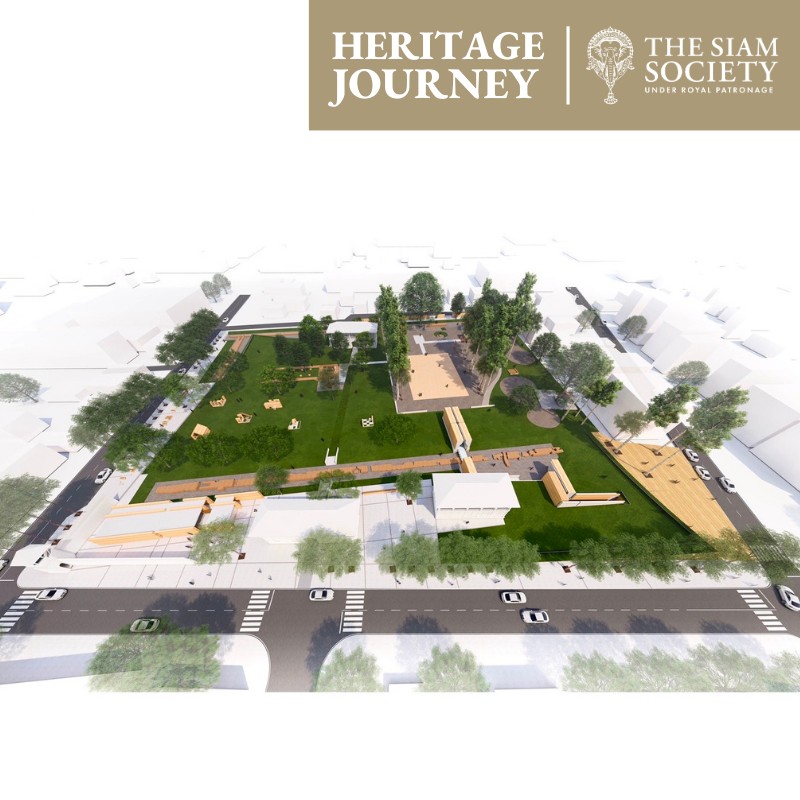
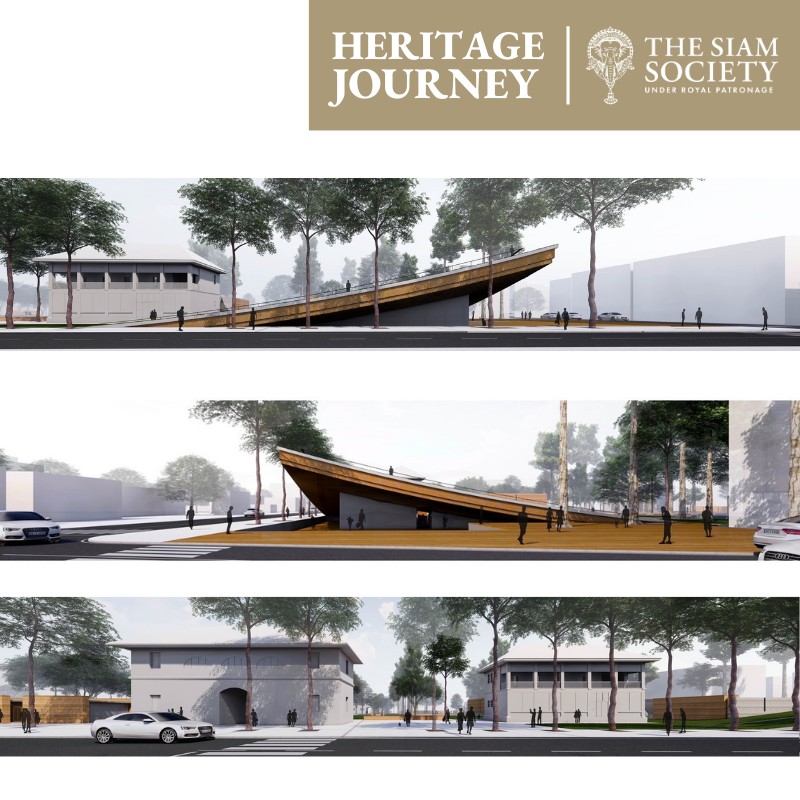
Project visualization: Heritage Journey / The Siam Society. Final details may differ as the project is completed.项目效果图:Heritage Journey / The Siam Society。实际完成后的细节可能有所调整。
The Story故事
“Wiang Kaew” refers to the royal precinct of Chiang Mai’s Lanna rulers.
Located close to the heart of the Old City, the area was associated with royal residence from the early history of Chiang Mai.
During the revival of the city, King Kawila established a royal residence here known as the Khum Wiang Kaew. Later rulers of Chiang Mai continued to be connected with the site.
A major change came in 1903, when the area was transferred to the Siamese authorities and developed as a prison. The former Chiang Mai Women’s Correctional Institution remained here until the prisoners were moved to a new facility in 2012.
Afterward, local residents and scholars called for the historically important land to be returned to public use and studied as part of Chiang Mai’s heritage.
Archaeological excavations carried out between 2016 and 2021 uncovered brick walls, building foundations and thousands of artefacts, providing evidence of how the royal precinct changed through different periods.
Finds included Lanna ceramics as well as imported wares from China, Japan and Vietnam—small objects that reveal Chiang Mai’s connections with a much wider world.
Today, Wiang Kaew is being transformed into a public historical park, bringing together the archaeological story of the Lanna royal precinct with surviving structures from its later prison period.
“Wiang Kaew” 指的是清迈兰纳王朝的王宫区域。
这里位于古城核心附近,自清迈早期历史开始便与王室有关。
在清迈复兴时期,卡维拉王曾在此建立王宫,称为 Khum Wiang Kaew,之后多位清迈统治者也与这一地区有密切联系。
到了1903年,这里的用途发生巨大变化,土地移交暹罗政府并改建为监狱。之后这里长期作为清迈女子监狱使用,直到2012年囚犯迁往新址。
随后,当地居民与历史学者开始推动恢复这一重要历史空间,并让它重新成为公众可以认识清迈历史的地方。
2016年至2021年的考古发掘发现了砖墙、建筑基础以及大量文物。
其中不仅有兰纳本地陶器,也发现来自中国、日本和越南的器物,为了解清迈过去与外部世界的交流提供了重要线索。
如今,Wiang Kaew 正逐步发展成为一座公共历史公园,把兰纳王宫遗址、考古发现以及后来监狱时期留下的建筑共同保存在同一片土地上。
Experience This with AP Thai Studio与 AP Thai Studio 一起感受这里
One place, several completely different lives.
Try to imagine the same piece of land first as a Lanna royal palace, later as a prison, and now as a public historical park. Few places in the Old City show such dramatic changes in use within one site.
Look for the surviving prison-era buildings.
During archaeological and conservation work, several historically significant prison structures were retained, including principal buildings as well as parts of the old wall and guard structures. They represent another important layer of Chiang Mai’s modern history.
Remember that much of the older story was found underground.
Archaeologists discovered brick walls and building foundations dating back to the Lanna period. Some remains were reburied for protection, so what you see above ground is only part of the story beneath your feet.
Think about the objects people left behind.
Thousands of ceramic fragments—including pieces connected with China’s Yuan, Ming and Qing periods as well as Japan and Vietnam—were discovered here. They help reveal how connected historic Chiang Mai was to trade and exchange beyond Lanna.
同一片土地,经历了完全不同的时代。
试着想象这里曾经先是兰纳王宫,后来成为监狱,如今又逐步转变为公共历史公园。在清迈古城里,很少有一个地方能同时呈现如此多层的城市历史。
留意保留下来的监狱时期建筑。
在考古与保护过程中,部分具有历史价值的监狱建筑被保留下来,包括主要建筑、部分旧墙以及防御设施。它们记录着清迈近代历史的另一层故事。
别忘了,许多更古老的历史其实藏在地下。
考古学家曾发现兰纳时期的砖墙和建筑基础。部分遗迹为了保护而重新回填,所以今天地面上看到的,只是地下历史的一部分。
想想过去的人留下了什么。
这里曾出土大量陶瓷残片,包括来自中国元、明、清时期以及日本和越南的器物。它们让我们看到历史上的清迈并不是孤立的城市,而与更广泛的贸易和文化交流相连。
How to Get There如何前往
Just a 4-minute walk from AP Thai Studio — about 300 metres. It is one of the closest historical sites to AP, but because the area is still being developed, we recommend checking the current access status before walking over.
从 AP Thai Studio 步行约 4 分钟,约 300 米。这里距离 AP 很近,但由于历史公园目前仍在逐步建设与开放中,建议出发前查看最新参观情况。
Open in Maps →打开地图 →
AP Note · AP 小贴士
This historical park is still being developed and is not yet fully open. Opening soon — we’ll update this page as soon as the site is ready for a fuller visit.
这座历史公园目前仍在建设中,尚未全面开放。即将开放;待园区准备好供更完整参观后,我们会继续更新这里的内容。